Overview
A competitor review (also known as a benchmark analysis) is a structured evaluation of how similar products approach a specific design challenge. In UX research for games, this method helps teams understand established patterns, uncover alternative solutions, and identify opportunities to improve the player experience. It provides a grounded view of what “good” looks like in the market and why certain approaches succeed or fail.
I led the research planning, competitor selection, analysis, and synthesis of insights into actionable recommendations for the design team.
This review focused on onboarding in single‑player, open‑world games, specifically in titles where early gameplay is action‑heavy, fast‑paced, or chaotic. These moments often introduce players to core mechanics while simultaneously demanding their attention, making onboarding design particularly sensitive to timing, pacing, & cognitive load.
Onboarding is one of the most critical moments in a game’s lifecycle. It shapes first impressions, influences early retention, and sets the foundation for long‑term engagement. In action‑packed openings, poorly timed tutorials can be easily overlooked, overwhelm players, or disrupt immersion, while well‑timed guidance can empower players and strengthen their connection to the game.
The goal was to provide stakeholders with a clear understanding of how other games solve similar challenges, the reasoning behind those solutions, and the consequences for player experience. This would help inform whether pausing the game was appropriate, and under what conditions it might enhance or hinder onboarding.
The Problem
Designers were concerned about the sheer volume and complexity of features that needed to be onboarded, particularly for players who were new to the franchise. Many of these mechanics were tied to high‑intensity combat encounters — such as enemy weak‑points, wildlife behavior, ammo types, and other systems that demanded quick understanding under pressure.
The team had an initial idea of how onboarding could work (for example, pausing the game to display tutorial windows), but they wanted a deeper investigation into how other action‑heavy, open‑world games approached similar challenges. Their goal was to understand not only what other games did, but why those approaches worked, how players perceived them, and when different onboarding methods were most effective.
To guide the research, stakeholders asked five key questions:
- Which games handle action‑heavy onboarding well
- What alternative onboarding methods exist
- Why certain approaches succeed or fail
- How players perceive different onboarding styles
- When games choose to surface tutorials & the impact of timing
Process
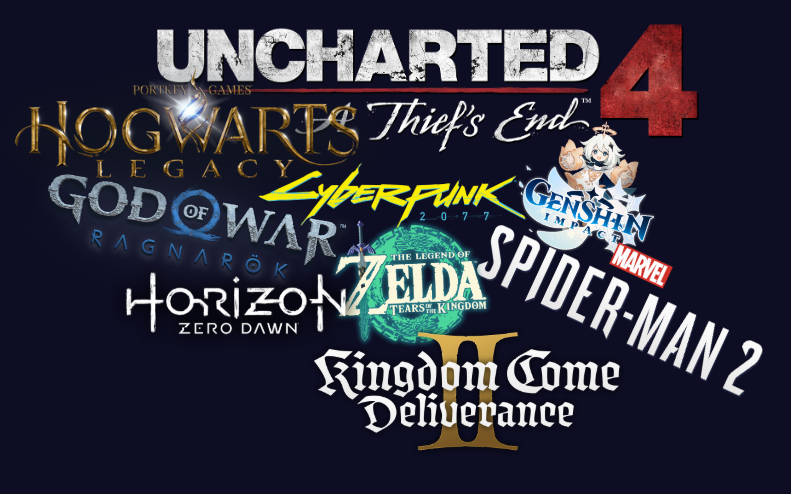
To answer these questions, I conducted a structured competitor review focusing on single‑player, open‑world games with similar gameplay demands. I selected titles based on:
- Genre alignment (open‑world, single‑player, action‑adventure, shooter)
- Shared gameplay systems (crafting, multiple weapons/playstyles, stealth, enemy archetypes)
- Narrative and immersion focus
- Comparable pacing and combat intensity
Once the benchmark set was defined, I analyzed how each game introduced mechanics during early gameplay. I paid particular attention to:
- Degree of gameplay intensity at the moment onboarding occurred
- Complexity of the information being communicated
- Level of disruption to narrative flow and player agency
- Timing — when tutorials appeared relative to player actions
- Integration — whether onboarding felt systemic, narrative‑driven, or environmental
I documented each onboarding moment, captured visual examples, and compared how different games balanced clarity, immersion, and pacing.
From this analysis, I synthesized the data into recurring onboarding patterns, which later became the foundation for the Findings section.
Findings
Below are the five onboarding patterns identified across the benchmarked games. Each card summarizes why the pattern works, its drawbacks, and when it’s most effective.

1. Cinematic Tie‑In
Why it works: Introduces mechanics and narrative simultaneously through scripted sequences.
Drawbacks: Can feel slow, linear, or overly guided if misused.
Best used for: High‑fidelity storytelling, prologues, and early narrative setup.
2. No Pause - Low Stakes
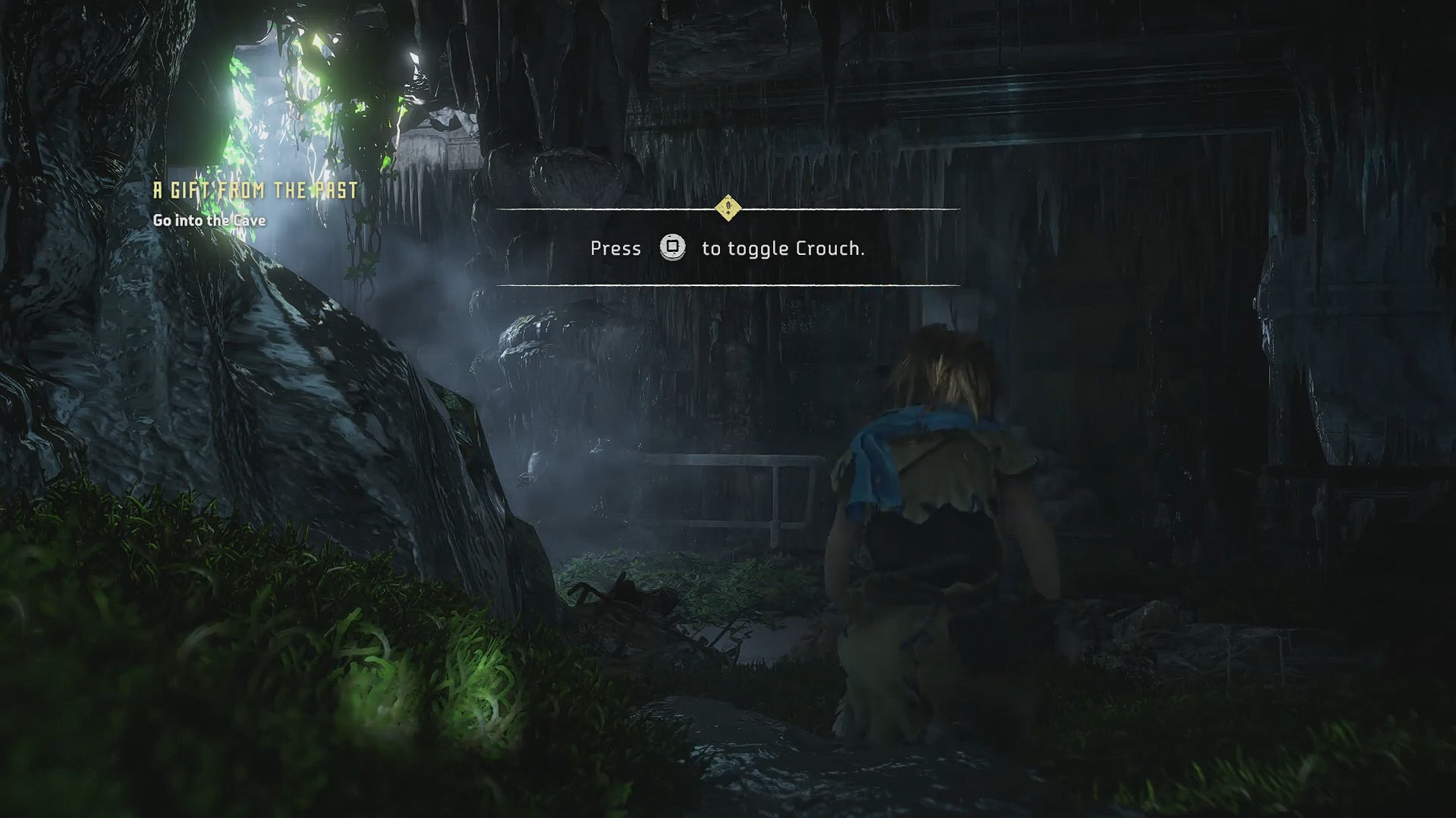
Why it works:
Glanceable and non-intrusive.
Player retains full control and autonomy.
Maintains pacing and immersion.
Drawbacks:
Too subtle for high-stakes or visually noisy environments.
Can be missed if the player is distracted.
Best used for:
Simple, one-button interactions.
Actions required to progress but not time-sensitive.
Reinforcing mechanics the player has already encountered.
2. No Pause - High Stakes
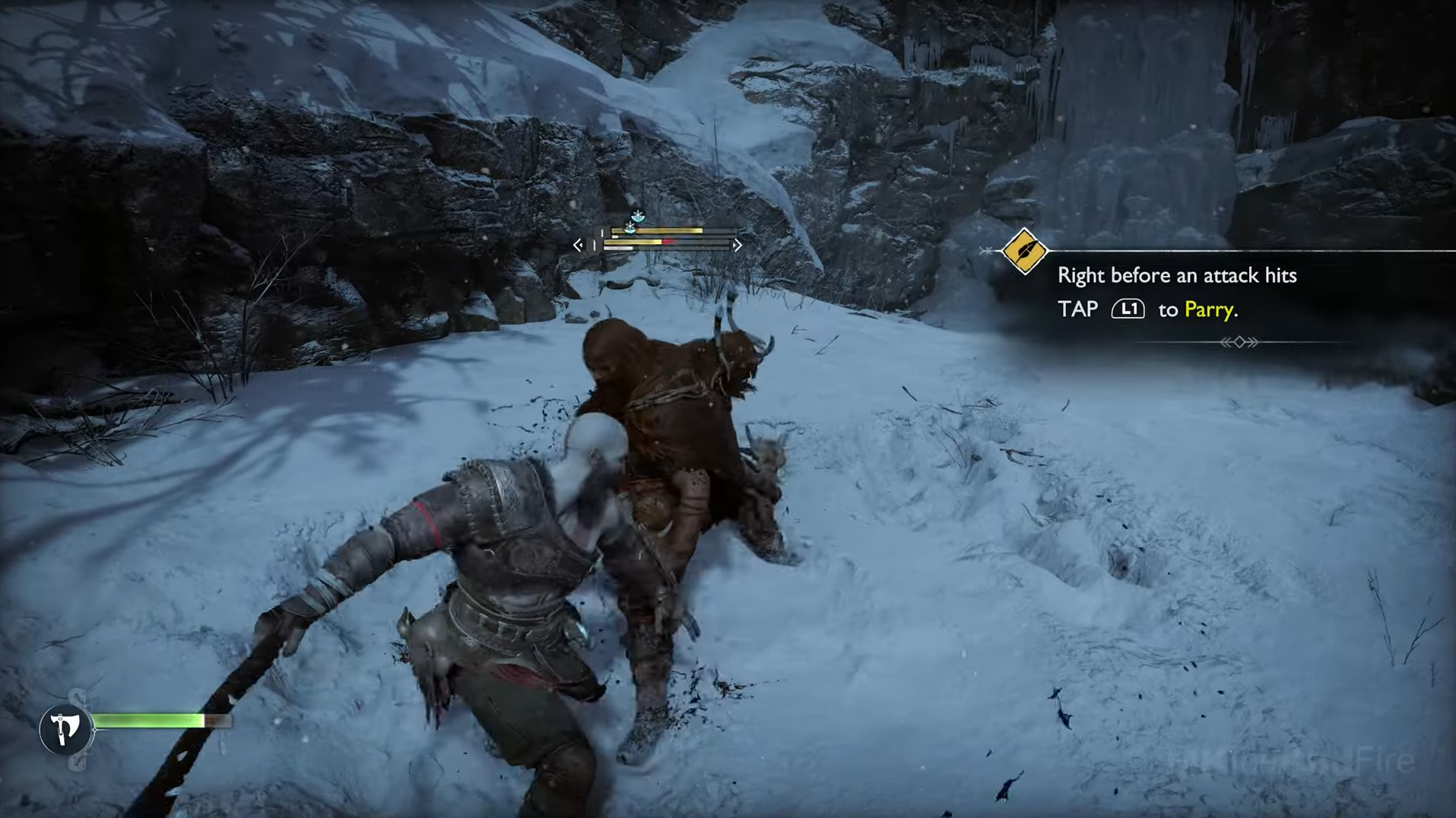
Why it works: Maintains intensity and immersion during high‑stakes gameplay. Player's learn from practicing the interaction & experiencing the consequences of both successful & failed attempts.
Drawbacks: Can overwhelm players if information is too dense or poorly timed.
Best used for: High‑pressure encounters where flow and urgency matter.
4. Seamless Pause
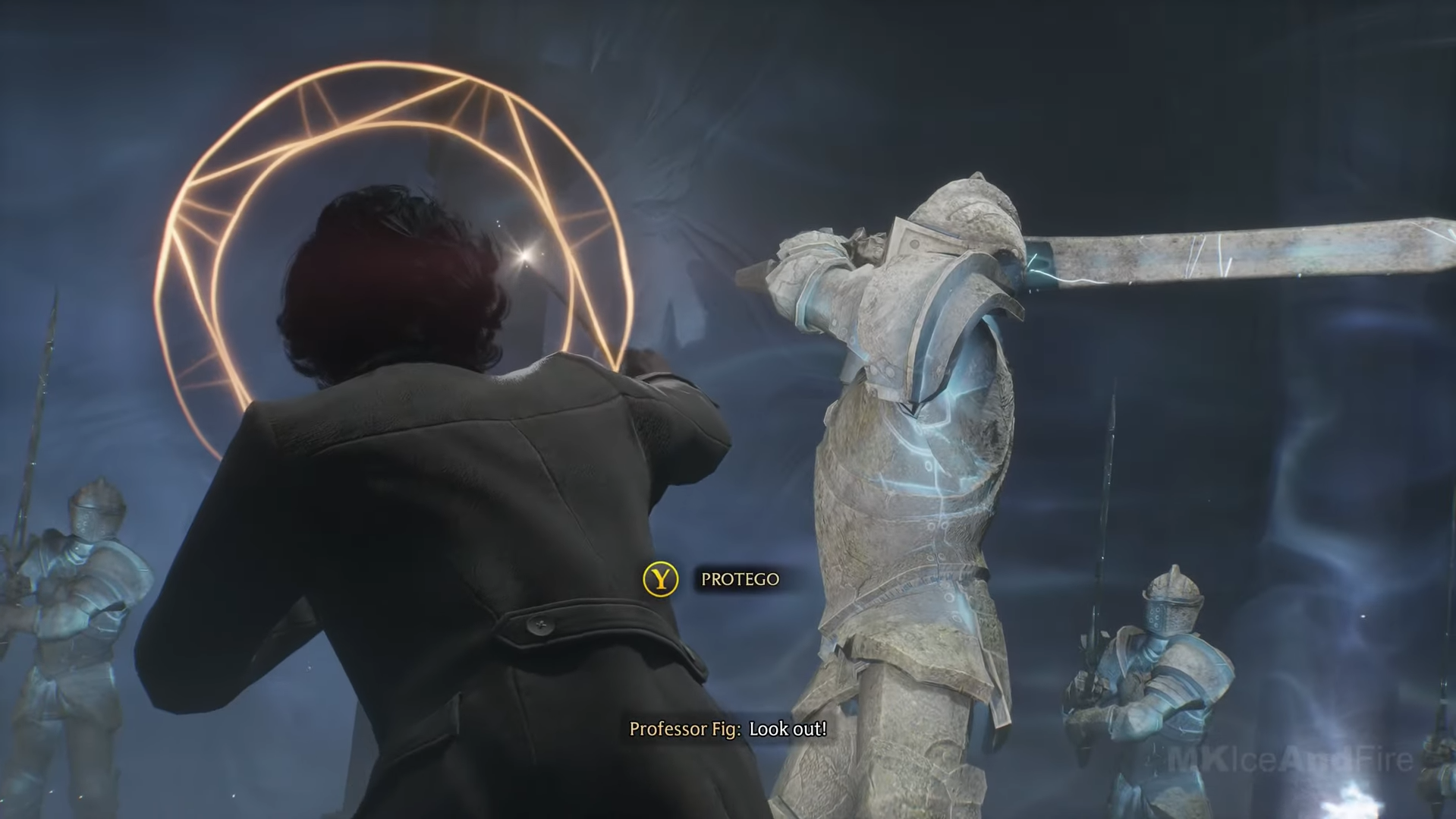
Why it works:
Feels cinematic, gives players a moment to process timing‑based mechanics, and avoids punishing slower reactions.
Drawbacks:
If too abrupt, it can break immersion; overuse can feel gimmicky & more like quick time events.
Best used for:
Teaching parry, dodge, counter, or other timing‑sensitive mechanics.
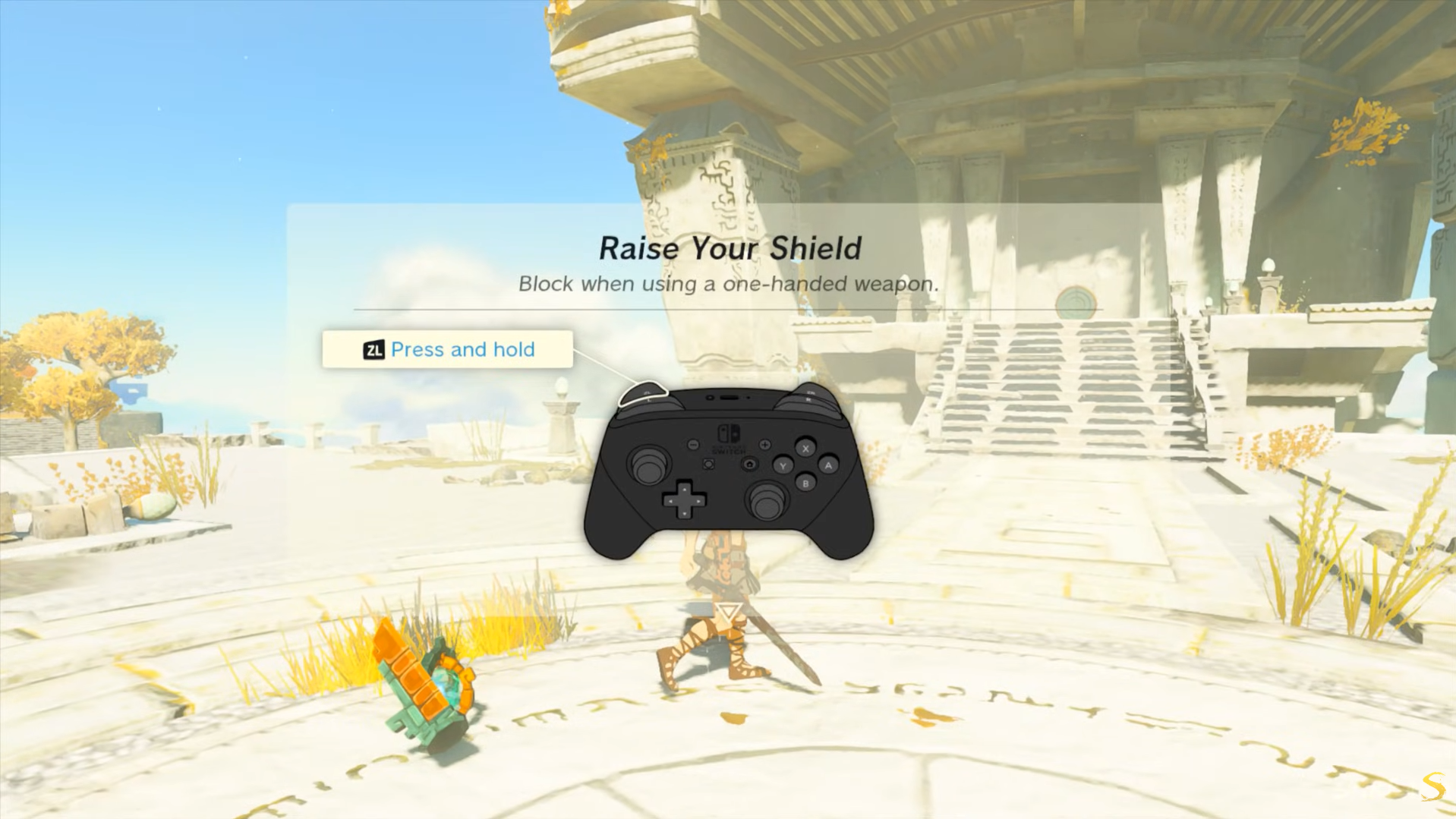
5. Extensive Pause
Why it works: Ideal for complex or multi‑step systems, supports text, images, and video, and allows players to learn at their own pace.
Drawbacks: High risk of information overload; disruptive to immersion; challenging for neurodivergent players.
Best used for: Progression systems, crafting, currencies, puzzles, and abstract mechanics.
Examples: Genshin Impact’s frequent tutorial windows; Tears of the Kingdom’s diegetic Purah Pad tutorials.
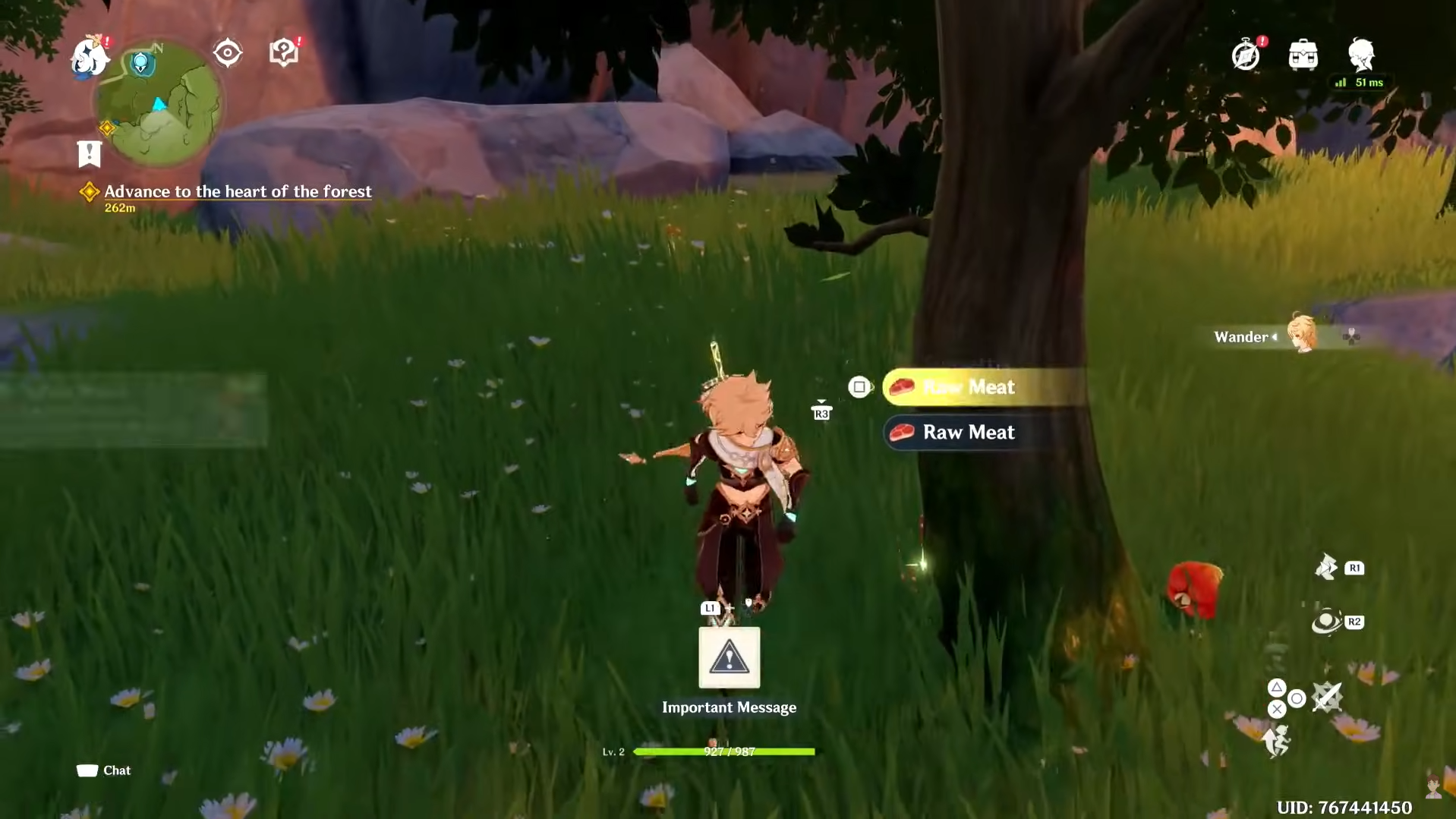
6. Something in-between (Codex)
Why it works: Non‑intrusive, player‑controlled, and supports deep learning without forcing it.
Drawbacks: Can be overlooked if triggered too often & the optional nature means some players may miss important details.
Best suited for: Complex systems that aren’t required in the moment, such as lore, enemy types, crafting materials, or frequent new content.
Examples: Genshin Impact’s Codex entries triggered by encountering new enemies or items.
Outcome
The benchmark revealed that onboarding in action‑heavy, open‑world games is not solved by a single method, but by choosing the right level of interruption, clarity, and player agency for the moment at hand. Each pattern carries strengths and trade‑offs, and the most successful games adapt their onboarding style based on gameplay intensity, narrative pacing, and the complexity of the information being taught.
By comparing these patterns across multiple titles, I was able to provide the design team with a clear framework for deciding when to pause the game, when to rely on real‑time prompts, and when to offer optional or narrative‑integrated onboarding instead. This helped clarify the consequences of each approach on player immersion, cognitive load, and early‑game retention.
The final recommendation emphasized a hybrid strategy:
- Use cinematic tie‑ins and low‑stakes prompts for early 3Cs and simple interactions.
- Use high‑stakes real‑time prompts only for forgiving, moment‑specific actions such as parry or dodge.
- Reserve seamless pauses for timing‑based mechanics where clarity is essential.
- Use extensive pauses sparingly and only for complex systems that cannot be taught in real time.
- Support the experience with an optional codex for deeper learning without disrupting flow.
This framework gave stakeholders a concrete understanding of how onboarding decisions impact the player experience, and it informed early design discussions around tutorial pacing, UI needs, and narrative integration. It also established a shared vocabulary for evaluating future onboarding moments throughout development.
Overall, the competitor review provided the team with actionable insights, clarified design trade‑offs, and helped shape a more intentional and player‑friendly onboarding strategy for the project.